

About the house, if you’ve found your dream home and the inspection report shows that there is a radon mitigation system within it, is that a good thing, or is it a dealbreaker? Many homebuyers feel confused when someone has already installed equipment in the home.
That someone remediated for radon does not signal the house is unsafe. It simply indicates the previous owner addressed a normal and common problem. Radon, a natural gas, is occasionally found in homes across the nation.
This guide is intended to help you understand radon mitigation systems, consider some questions you may want to answer, and help you determine whether or not a radon system is right for your family.
Should You Buy a House with a Radon Mitigation System?
Direct answer: Yes, you can safely buy a home with a radon mitigation system if it’s properly installed and maintained. These systems work well to reduce radon exposure, making your home safer and potentially adding value to the property.
However, you need to check that the system works correctly. Make sure it’s been maintained properly and tested regularly. A working system is a positive feature, not something to avoid.
When asking yourself, Should I buy a house with a radon mitigation system?” the answer depends on the system’s condition. A well-maintained system actually makes the home safer than many houses without any radon testing at all.
Why Radon Matters in Homebuying
Radon is an invisible, odorless gas that comes from natural uranium in the soil. It can seep into homes through cracks in the foundation and build up to dangerous levels. The EPA links radon exposure to lung cancer, making it the second leading cause after smoking.
Testing for radon before you close on a home purchase is critical for your family’s safety. You can’t see or smell radon, so the only way to know if it’s there is through proper testing. Most home inspections now include radon testing in areas where it’s common.
A mitigation system makes the home much safer, but it doesn’t mean the risk is completely gone. Regular testing and maintenance keep the system working properly. Think of it like having a security system. It protects you when it’s working correctly.
What a Radon Mitigation System Does
Radon mitigation systems pull radon gas from under your house and vent it outside before it can enter your living space. The system uses a fan and pipes to create suction that redirects the gas away from your home. Most systems run quietly in the background 24/7.
The most common type is Active Soil Depressurization (ASD), which is also the most effective option. It uses a powered fan to actively draw radon from beneath the foundation. Passive Ventilation Systems work without a fan but are less powerful.
A properly working system should bring radon levels below 4 pCi/L, which is the EPA’s action level. Many systems reduce levels even lower, often to 2 pCi/L or less. The system needs electricity to run, but it typically costs only $50-$100 per year to operate.
Understanding the Benefits
When you’re deciding if you should buy a house with a radon mitigation system, knowing the benefits helps you make a confident choice.
Advantages of Buying a Home with a Radon Mitigation System
A home with an existing radon system saves you the hassle of installation after moving in. The previous owner already spent the money and time to address the issue. You can move in knowing the air quality is already being managed.
You also get to review the system’s history before buying. This includes test results, maintenance records, and how long the system has been running. It’s easier to check an existing system than to wonder if your new home might have hidden radon problems.
Finally, homes with mitigation systems often come with documentation that helps with resale later. Future buyers will see that radon was identified and properly handled. This transparency can make your home more attractive when it’s time to sell.
Reduced Health Risks
Radon mitigation significantly lowers your family’s risk of lung cancer and other respiratory problems. The EPA estimates that radon causes about 21,000 lung cancer deaths each year in the United States. A working mitigation system can reduce your exposure by 90% or more.
Children and pets are especially vulnerable to radon because they spend more time playing on floors where radon concentrates. Lower radon levels mean cleaner air for everyone in your household.
Long-term exposure to high radon levels is the main concern. Even if you feel fine now, radon damage builds up over the years and decades. Installing or maintaining a mitigation system protects your health for as long as you live in the home.
Peace of Mind
Moving into a home with radon mitigation means you can breathe easier from day one. You don’t need to worry about scheduling tests, finding contractors, or living with uncertainty during the first few months. The air quality is already being handled.
You’ll also avoid the stress of finding out your new home has high radon levels after you’ve already moved in. Some buyers deal with this surprise, which can cost thousands to fix. Having the system already there eliminates this worry.
Regular maintenance is simple once the system is installed. Most systems just need an annual check and fan replacement every few years. This is much easier than dealing with a major installation project while you’re settling into a new home.
Cost Savings
Installing a new radon mitigation system typically costs between $800 and $2,000, depending on your home’s size and foundation type. When the system is already there, you avoid this entire expense. That money can go toward other home improvements or closing costs.
Some sellers may reduce the home price slightly because of the radon history, but this discount is often less than the cost of installing a new system. You end up saving money either way. The system also runs on minimal electricity, adding only a few dollars to your monthly bill.
Maintenance costs are low compared to other home systems. Annual inspections usually cost $100-$200, and fan replacements run $200-$400 every 5-10 years. These costs are much smaller than the initial installation expense.
How It Impacts Home Value
A functioning radon mitigation system can actually be a positive selling point rather than a red flag. It shows that the home has been properly tested and that problems were addressed professionally.
The system also demonstrates that previous owners were proactive about environmental concerns. This suggests they likely took good care of other home maintenance tasks, too. Many buyers see this as a sign of a well-maintained property overall.
Proper documentation of the mitigation system can make financing and future resale smoother. Lenders want to see that radon issues have been resolved according to EPA guidelines. Having this paperwork ready makes the transaction easier for everyone involved.
What to Check Before Buying
Before you decide you buy a house with a radon mitigation system, you need to inspect several key things about that specific system.
Inspecting the System’s Quality
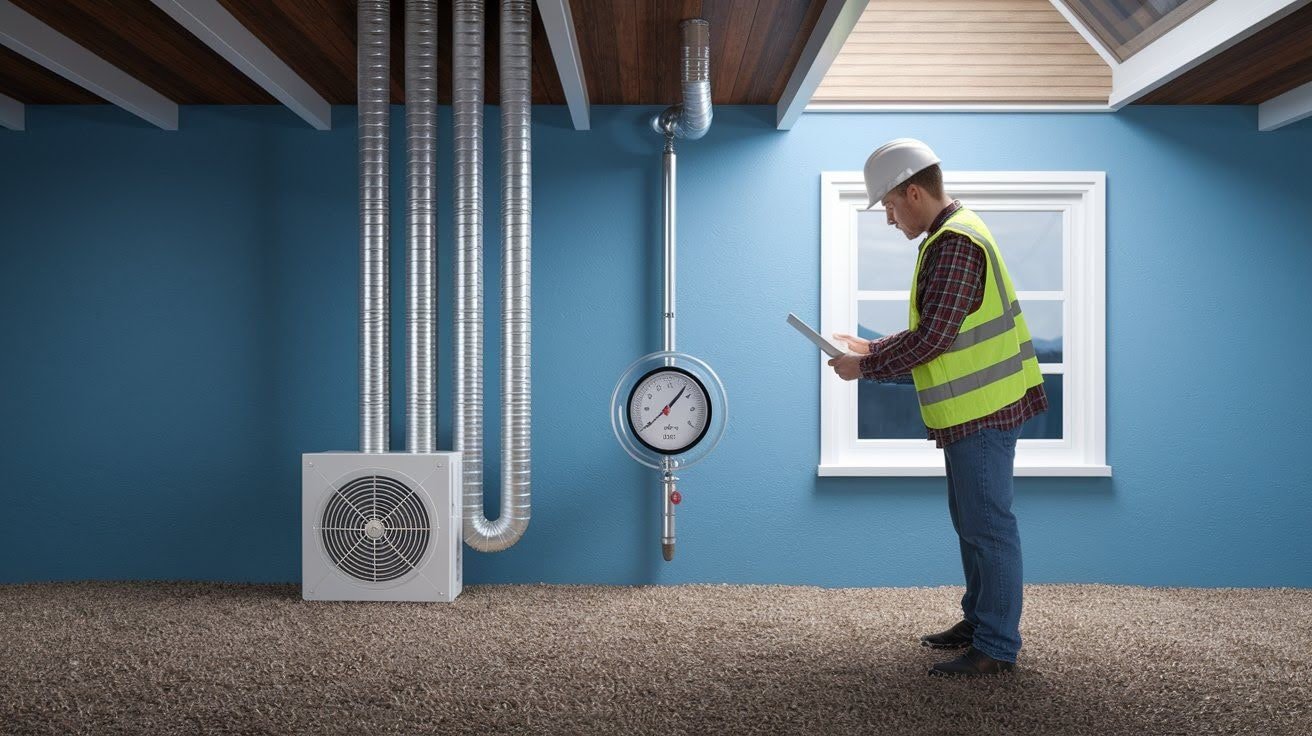
First, confirm that it’s an active system with a powered fan and vent pipe. Passive systems are less reliable and may not work well enough. You should be able to hear a gentle hum from the fan when it’s running.
Ask the seller for details about the brand, when it was installed, and the system specifications. Quality brands like RadonAway, Festa, and GP offer better reliability. Systems installed by certified professionals are more likely to meet EPA standards than DIY installations.
Poorly installed or cheap systems can fail or even leak radon back into your home. Look for proper sealing around pipes, a fan mounted outside or in the attic, and a gauge that shows the system is creating suction.
Review Maintenance and Test History
Request all records of annual inspections, fan replacements, and sealing checks from the current owner. These documents show whether the system has been properly cared for. A well-maintained system should have paperwork from certified radon technicians at least once per year.
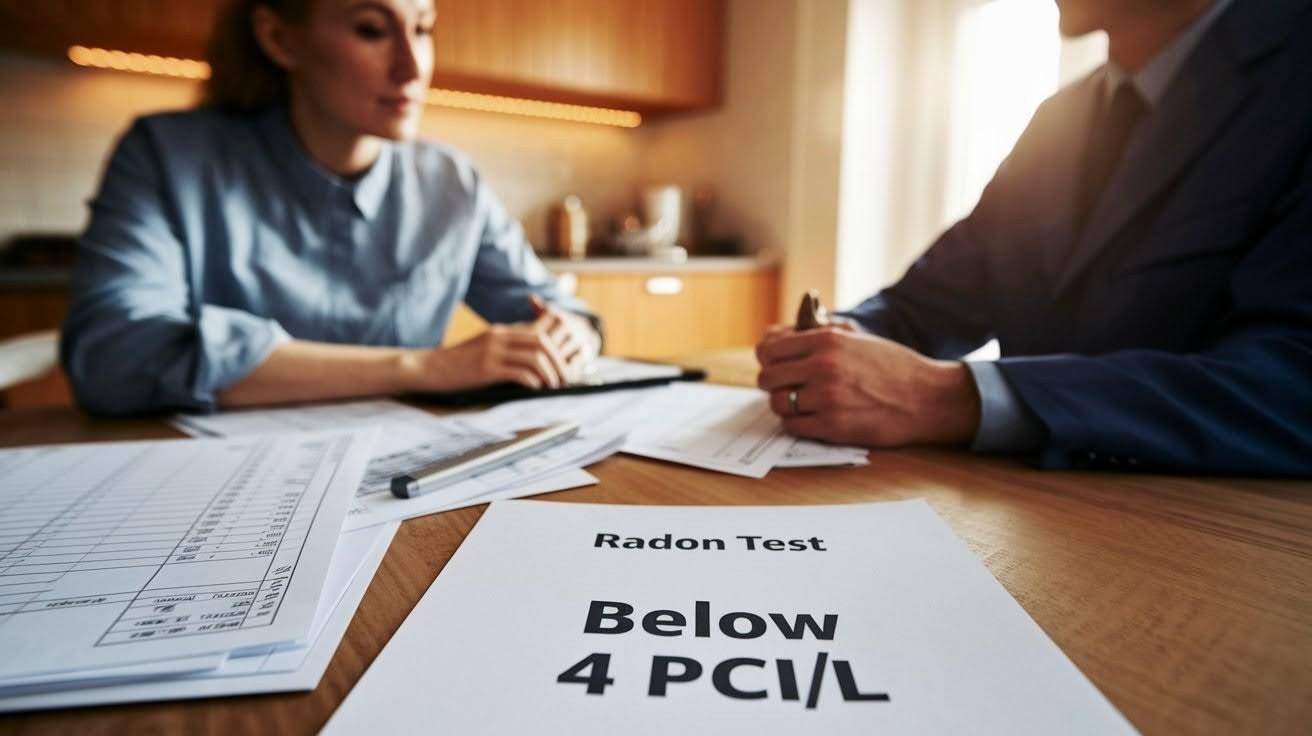
Make sure the documentation includes test results showing radon levels stayed below 4 pCi/L. If test results show levels climbing over time, the system may be losing effectiveness. You’ll want to know about any repairs or upgrades that were done.
Check the warranty terms carefully, as many require ongoing maintenance to stay valid. Some warranties last 5 years or more, but only if you keep up with annual servicing. Ask if the warranty transfers to you as the new owner.
Verify Radon Levels with a New Test
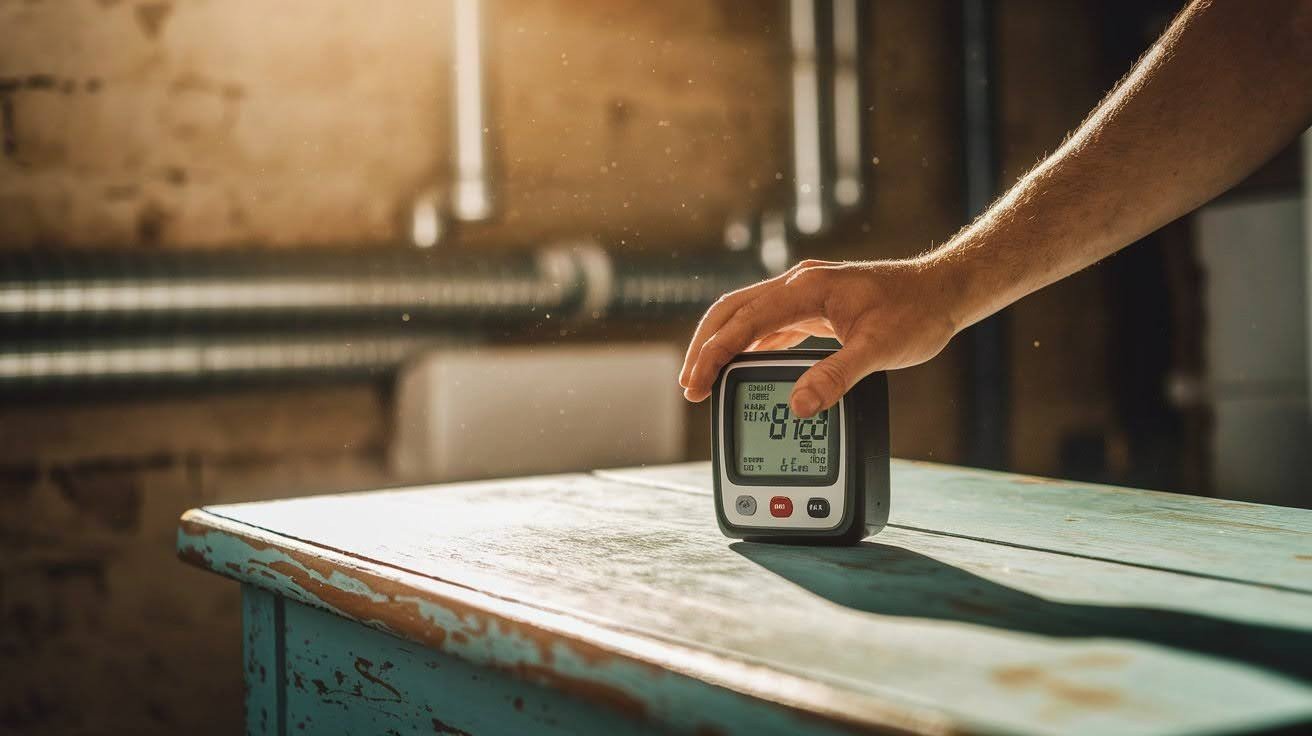
Even with a working mitigation system, you should test radon levels again before closing on the house. Radon levels can change due to weather patterns, soil shifting, or foundation settling. A test from a year ago might not reflect current conditions.
Seasonal changes and even nearby construction can affect how radon moves through the ground. Testing during different times of the year gives you the most accurate picture. Winter tests often show higher levels because homes are sealed up tight.
Hire your own certified radon tester instead of just relying on the seller’s old report. This gives you independent verification that the system is working properly. The test typically costs $100-$200 and takes 2-4 days, which is worth it for peace of mind.
Common Misconceptions and Red Flags
Understanding what’s normal versus what’s a problem helps you make better decisions when you should buy a house with a radon mitigation system.
Don’t Assume “Zero Radon”
Radon mitigation systems reduce radon levels but don’t eliminate the gas. Even well-functioning systems may show readings of 1-2 pCi/L, which is still considered safe. The goal is to keep levels below 4 pCi/L, not to reach absolute zero.
You still need to test your home every 1-2 years, even with a mitigation system in place. Radon levels can rise again if the system develops problems. Regular testing is the only way to know if your system is still working effectively.
A malfunctioning fan, cracked pipes, or broken seals can make the system stop working. Watch for warning signs like the system running louder than usual or the gauge showing no suction. These problems need immediate attention from a certified radon professional.
Insurance and Legal Aspects
Most homeowners’ insurance policies don’t cover radon mitigation installation or testing. Insurance companies view radon as a maintenance issue rather than sudden damage. However, this doesn’t affect your ability to get standard homeowners’ insurance on a property with radon.
Homes with properly installed mitigation systems generally qualify for normal insurance coverage without issues. The presence of a system shows you’ve addressed the problem responsibly. Some insurers may ask for documentation of the system and recent test results.
Talk with your lender and real estate agent about radon documentation requirements. Some lenders want to see test results below 4 pCi/L before approving the loan. Having this paperwork ready speeds up the closing process.
Practical Buying Guidance
Here’s what you need to do when deciding if you should buy a house with a radon mitigation system installed.
How to Test a System Before Purchase
Start by getting a professional radon test from a certified technician. This test should run for at least 48 hours in the lowest lived-in area of the home. Short-term tests are faster, but long-term tests lasting 90 days give more accurate average readings.
Review all documentation about the system, including installation records and past test results. Check that the dates match up and that the company that installed it is properly certified. Look for any gaps in maintenance that might mean the system wasn’t cared for properly.
Inspect the system yourself for basic warning signs. Listen for fan noise and check that the gauge shows the system is creating suction. Look for any warning lights on the fan unit and make sure all pipes are sealed tightly.
Work with a Realtor Familiar with Radon
Real estate agents in areas with high radon levels understand local testing rules and requirements. They know which radon professionals are reliable and what documentation you need. Their experience can save you time and help you avoid common mistakes.
A knowledgeable realtor can help you include radon testing and mitigation contingencies in your purchase offer. This protects you if the system isn’t working properly or if radon levels are too high. They can also help you understand if the asking price is fair given the radon situation.
Your realtor should be able to recommend certified radon testers and mitigation contractors in your area. They can also explain how radon issues have affected other home sales nearby. This local knowledge helps you make a more informed decision.
Negotiate Repairs or Credits if Needed
If your radon test shows levels above 4 pCi/L despite the existing mitigation system, ask the seller to fix it before closing. A properly working system should keep levels below this threshold. Repairs might include fixing leaks, replacing the fan, or upgrading the system.
You can also request a credit at closing to cover the cost of repairs yourself. This gives you control over which contractor does the work. Credits typically range from $500-$1,500, depending on what needs to be fixed.
Some buyers ask sellers to pay for a home warranty that covers the mitigation system for the first year. This provides extra protection during the period when you’re getting familiar with the house. Make sure any agreement is written into the purchase contract.
Tips for Long-Term Ownership
Once you’ve decided you should buy a house with a radon mitigation system, follow these maintenance steps to keep it working well.
- Check fans, pipes, and airflow indicators annually: Look for cracks, loose connections, and make sure the gauge shows proper suction. Listen for unusual noises that might signal fan problems.
- Replace the fan every 5-10 years: Fans wear out over time and lose effectiveness. Most manufacturers recommend replacement every 7 years for optimal performance.
- Schedule retesting after major renovations: Any changes to your foundation, basement, or HVAC system can affect radon levels. Test within a few months of completing major work.
- Test more frequently if you have children or pets: They’re more vulnerable to radon exposure because they spend more time near floors where radon concentrates. Test at least once per year in homes with young kids.
- Keep the ventilation system running continuously: Never turn off the mitigation system to save electricity. The small cost of running it is worth the health protection it provides.
- Clean the intake and exhaust pipes yearly: Remove debris, leaves, or snow that might block airflow. Check that exterior vents aren’t painted over or covered by landscaping.
- Keep records of all tests and maintenance: This documentation proves the system has been cared for properly. Future buyers will want to see this history when you sell the home.
Conclusion
Buying a house with a radon mitigation system is very safe, considering that it was installed by a trained professional, is properly maintained, and keeps the radon levels in your home low. Do not be scared away from houses that have radon mitigation systems already in place.
Having independent testing, a record of maintenance and EPA compliance, and a functioning system protects your investment as well as the health of your family. A working radon system puts you in a better position than if you buy a home with no evidence that it’s been tested.
If you continue to service it annually, change the filter regularly, and replace fans as necessary, your system will continue to improve your air quality for 25 years or more. It’s a good investment for your health and your home’s resale value.
Frequently Asked Questions
How Long Do Radon Mitigation Systems Last?
Most radon mitigation systems last 15-20 years with proper maintenance. The fan typically needs replacement every 5-10 years, but the pipes and other components can last much longer. Regular inspections help catch problems early and extend the system’s life.
Can I Turn Off the Radon System to Save Money?
No, you should never turn off your radon mitigation system. The small electricity cost of $50-$100 per year is worth keeping radon levels low. Turning it off allows radon to build up again, putting your family’s health at risk.
What If Radon Levels Rise Despite Having a System?
Rising radon levels mean the system needs repair or isn’t working properly. Common causes include fan failure, pipe leaks, or foundation changes. Contact a certified radon professional immediately to inspect and fix the system.
Do All Houses with Mitigation Systems Have High Radon?
Not necessarily. Radon levels vary greatly even between neighboring homes. A mitigation system shows the home was tested, and high levels were found at some point. The system now keeps levels safe, making it better than untested homes.
Should I Buy a House with a Radon Mitigation System Already Installed?
Yes, you should buy a house with a radon mitigation system if the system is properly maintained and currently working. Have it tested independently, review maintenance records, and confirm radon levels are below 4 pCi/L for a safe purchase.