


You are a homeowner who bought your dream house, and water is running through your basement. The seller knew about the issue, never told you, and now you’ve got thousands of dollars in repairs, and you don’t own a house worth what you paid.
Believe it or not, this happens a lot in real estate. If sellers cover up problems with the property and the buyer finds out, the failure to disclose means buyers have legal recourse, assuming they know their rights and act quickly.
This guide describes the law relating to concealed defects in property, how to protect yourself, what to do if you have been caught out, and the experience of other consumers who made claims and were compensated.
What Happens When Sellers Hide Property Problems?
When you buy a home, you trust the seller to be honest, but not everyone plays fair. Hidden issues like foundation cracks, water damage, mold, or faulty wiring can cost tens of thousands of dollars and leave you with major repairs.
The law protects you, requiring sellers to disclose known defects. If they hide problems, you can sue for compensation. Typically, you have two to four years to file, starting from when you buy the property or discover the issue. Document everything with photos, repair estimates, and communications from the seller.
Cases like Sussman v. Stoner show the stakes. Buyers were misled about water rights worth over $15,000 and ended up with just $100. Courts ruled it was fraud, awarding damages of over $42,000. The lesson: sellers must be truthful, and hiding defects can lead to serious financial consequences.
Common Types of Undisclosed Property Issues
Sellers hide all kinds of problems, from cracked foundations to environmental hazards that put your family at risk.
Structural and Physical Defects
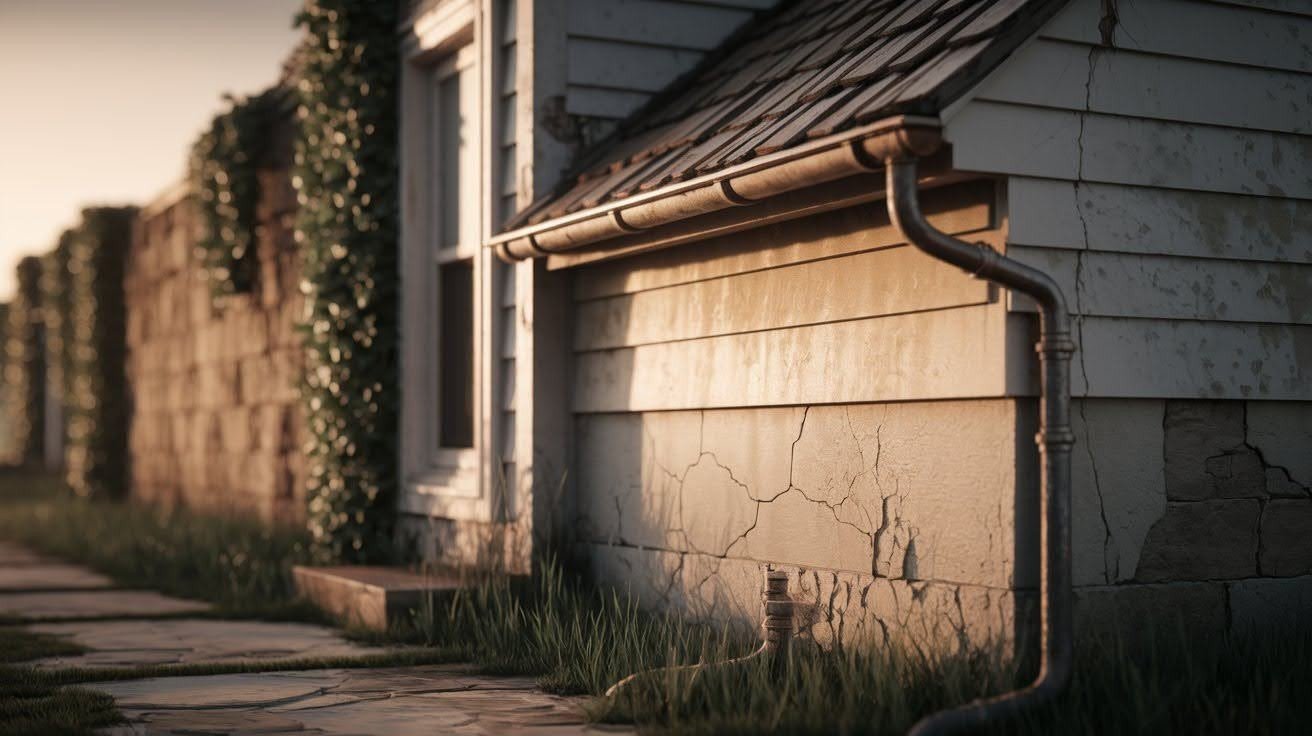
Foundation problems are among the most expensive defects sellers hide. Cracks in the foundation, settling issues, and soil problems can cost $20,000 to $100,000 to fix. When sellers know their foundation is damaged but don’t tell you, they’re breaking the law.
Roof leaks and water damage are another common problem. Maybe the attic flooded during heavy rain, or the basement gets wet every spring. Sellers sometimes do quick cover-up jobs with paint or new carpet to hide water stains.
Plumbing and electrical failures can be dangerous and costly. Old pipes that leak behind walls, electrical panels that aren’t up to code, or sewage backup issues all count as material defects. Sellers must tell you about these problems if they know about them.
Environmental Hazards Sellers Often Hide
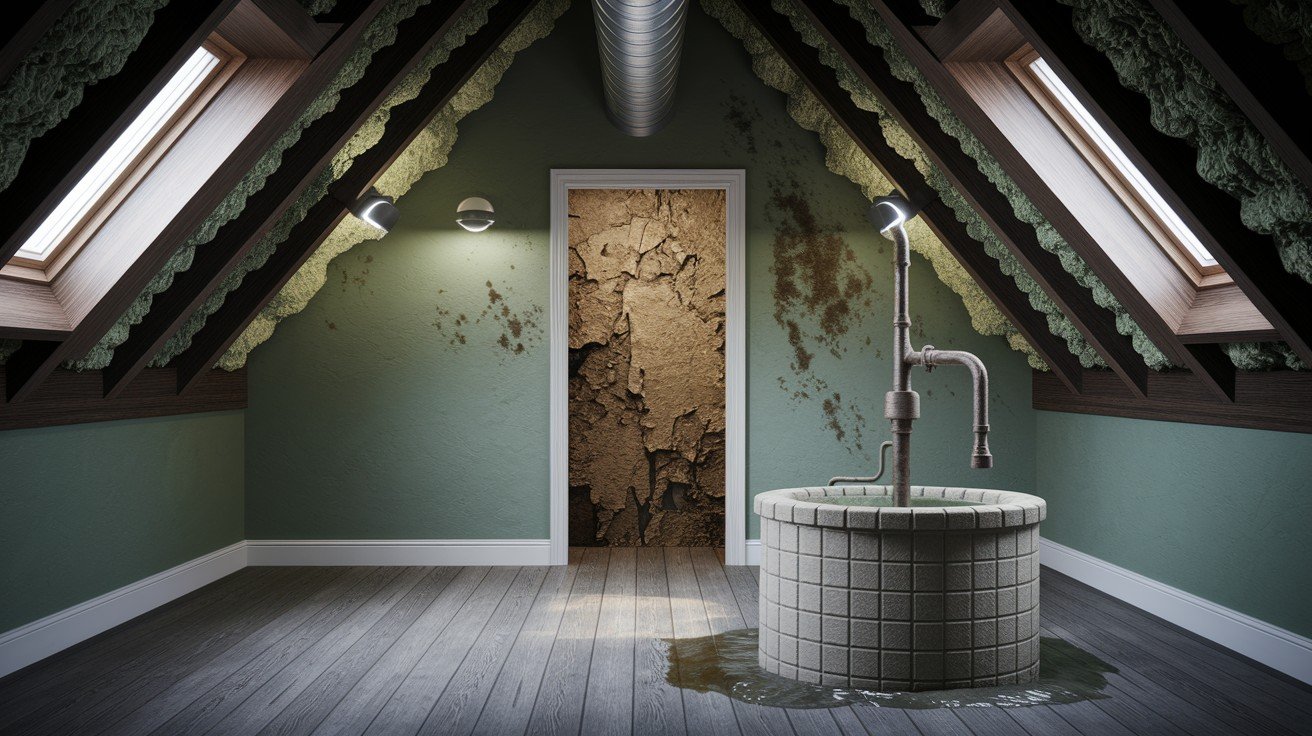
Mold and asbestos are health hazards that sellers frequently try to conceal. Mold can grow behind walls after water damage, causing breathing problems and allergic reactions. Asbestos in old insulation or floor tiles can cause cancer if disturbed.
Radon gas and lead-based paint are invisible dangers that need testing to detect. Radon is a radioactive gas that seeps up from the ground and causes lung cancer. Lead paint in homes built before 1978 can harm children’s brain development.
Contaminated wells put your drinking water at risk. In Haney v. Castle Meadows, Inc., buyers discovered their well water was contaminated with nitrates and bacteria. The sellers knew about the contamination but never said anything.
Legal and Zoning Problems

Unpermitted construction work can create huge legal problems for new owners. Maybe the seller added a room without permits, or finished the basement without inspections. When code enforcement finds out, they can make you rip out the work or pay for expensive retrofits.
Code violations mean the property doesn’t meet local building or safety rules. These might include missing smoke detectors, illegal electrical work, or septic systems that don’t pass inspection.
Property line disputes happen when fences, sheds, or additions sit on the neighbor’s land. Sellers sometimes know their garage is over the property line but don’t mention it. Later, the neighbor can demand that you move it or sue for trespassing.
When Sellers Get Caught: Legal Consequences and Damages
When sellers hide defects and get caught, they face serious legal and financial consequences for their dishonesty.
Types of Claims Buyers Can File
Breach of contract happens when sellers violate the purchase agreement by not telling the truth on disclosure forms. Most states require sellers to fill out a property disclosure statement listing known problems.
Misrepresentation claims apply when sellers make false statements about the property. They might say the roof is new when it’s actually 20 years old, or claim there’s never been water in the basement when there has.
Fraud and concealment are the most serious claims. Fraud means the seller intentionally lied to trick you into buying. Concealment means they actively hid problems, like painting over mold or filling foundation cracks with putty.
What You Can Recover
Repair costs and diminished value are the basic damages in failure to disclose real estate cases. You can get money to fix the problem the seller hid. You can also recover for lost property value.
Punitive damages are extra money the court awards to punish sellers for really bad behavior. These only apply when the seller acted with fraud or malice. For example, if the seller deliberately covered up a cracked foundation to trick you.
Rescission means canceling the entire sale and getting your money back. Courts allow this in serious fraud cases where the defect is so bad you never would have bought the property if you’d known.
Real Case: The Hidden Foundation Damage
In Baumgarten v. Coppage, buyers purchased a home and later found major foundation cracks that the sellers knew about but never disclosed. The sellers had actually gotten repair estimates before listing the property.
The court found clear evidence of concealment. The sellers had documentation about the foundation problems in their files. They filled out the disclosure form but checked “no” for foundation issues.
The lesson here is simple: keeping quiet about known problems, especially when you have documentation, will cost you in court. The buyers won their case and got full repair costs plus attorney fees.
What to Do If You’ve Been Deceived
Finding out you’ve been lied to about your home is frustrating, but you can take action to protect your rights.
Immediate Steps After Discovery
Document everything the moment you find a hidden problem. Take photos and videos showing the defect from multiple angles. Write down when you discovered it and what you noticed first. Keep a timeline of events, including dates and times.
Gather evidence from professionals who can back up your claims. Get written estimates from licensed contractors for repair costs. Hire inspectors to document the extent of damage. If it’s mold or contamination, get laboratory test results.
Review your paperwork carefully. Look at the seller’s disclosure form to see what they said about this issue. Check your inspection report. Read through emails and texts where you or your agent asked about problems.
Building Your Case
Proving the seller knew about the problem is key to winning your case. Look for repair estimates they got before selling. Check if they had insurance claims for water damage or other issues. Talk to neighbors who might have seen problems.
Showing reasonable reliance means proving you believed the seller’s statements and had good reason to trust them. If the seller said on the disclosure form that there was no water damage, you had the right to believe that.
Establishing damages requires detailed documentation of costs. Get multiple repair estimates from licensed contractors. Calculate the difference in property value before and after finding the defect.
Legal Options and Timelines
Demand letters and negotiation should be your first step. Have a lawyer write a formal letter to the seller explaining the problem and demanding compensation. Many cases settle at this stage because sellers don’t want the cost and stress of going to court.
Mediation alternatives can save time and money compared to court. A neutral mediator helps both sides reach an agreement. This process is less formal than a trial and usually takes just a few sessions.
Whether litigation makes sense depends on how much money is at stake and how strong your evidence is. If repair costs are over $20,000 and you have solid proof the seller knew about the problem, going to court might be worth it.
Best Practices for Sellers to Avoid Liability
If you’re selling property, honest disclosure protects you from lawsuits and keeps the transaction smooth.
When in Doubt, Disclose
Why transparency protects you is simple: you can’t be sued for hiding something if you told the buyer about it. Even if a problem seems minor, put it in writing. Buyers can’t later claim you deceived them when there’s a paper trail of disclosure.
Written disclosure requirements vary by state, but most states require sellers to fill out a disclosure form. This form asks about foundation, roof, plumbing, electrical, water damage, and other major systems.
Updating disclosures when new issues arise is legally required. If you filled out your disclosure form in January but discover a plumbing leak in March before closing, you must tell the buyer. New information about defects needs to be shared right away.
What You Don’t Have to Disclose
Public record information isn’t your responsibility to disclose. If there’s a lien on the property or a pending lawsuit, buyers can find this through a title search. Tax records, recorded easements, and past building permits are all publicly available.
Matters that buyers have constructive notice of mean things they can see for themselves during a showing. If there’s a crack in the driveway or the carpet is stained, buyers can observe these problems. You don’t need to point out every visible flaw.
Stigmatizing events usually don’t require disclosure. Most states don’t require you to tell buyers if someone died in the house, even from murder or suicide. You also don’t have to reveal if past occupants had AIDS or other diseases.
Working with Your Real Estate Professional
Agent disclosure obligations are separate from yours. Your real estate agent must disclose problems they know about, even if you don’t tell them to. If your agent sees foundation cracks during a listing appointment, they have a legal duty to make sure buyers know.
Coordinating your disclosures with your agent ensures nothing falls through the cracks. Share all known problems with your agent in writing. Ask them to review your disclosure form before you submit it.
Documentation best practices include keeping copies of everything. Save your completed disclosure form, emails with buyers, and records of repairs you’ve made. If buyers later claim you hid something, these documents prove what you told them.
Conclusion
Failure to disclose problems with a property can lead to expensive lawsuits for buyers, who also lose money and trust. A seller who fails to disclose is risking a lawsuit and damages. Both sides are wasting time and resources on litigation.
Buyers should get inspections that are thorough, read disclosure forms, and inquire about items not in those documents. Note what sellers told you. Exercise your rights quickly if there are hidden defects after closing. It is important to act fast.
Sellers should tell the truth. Be honest about your property’s condition. Write down everything you know concerning defects or past issues. In doubt, consult with a real estate attorney. The more you disclose, the less chance you will ever have to go to court over it.
Frequently Asked Questions
What is failure to disclose real estate, and when does it happen?
Failure to disclose real estate occurs when sellers intentionally hide known property defects from buyers. This includes foundation problems, water damage, mold, or other issues that affect the home’s value or safety. Sellers must reveal material defects they know about.
How long do I have to sue for undisclosed property defects?
Most states give you two to four years to file a lawsuit for failure to disclose real estate problems. The deadline depends on your state and claim type. The clock typically starts when you discover the hidden defect, not when you bought the property.
Can I get my money back if the seller hid major problems?
Yes, you can sue for repair costs, lost property value, and sometimes get the entire sale canceled. In cases of fraud, courts may award punitive damages on top of actual costs. You need proof that the seller knew about and hid the problem.
What problems must sellers disclose when selling a home?
Sellers must disclose material defects they know about, including foundation damage, roof leaks, mold, water problems, electrical issues, and pest infestations. They must also reveal environmental hazards like radon or lead paint.
Do home inspections protect me from hidden defects?
Home inspections help, but don’t catch everything, especially problems sellers actively hide. Inspectors can’t see inside walls or under fresh paint. If sellers conceal defects that inspectors miss, you can still sue for failure to disclose real estate issues after closing.